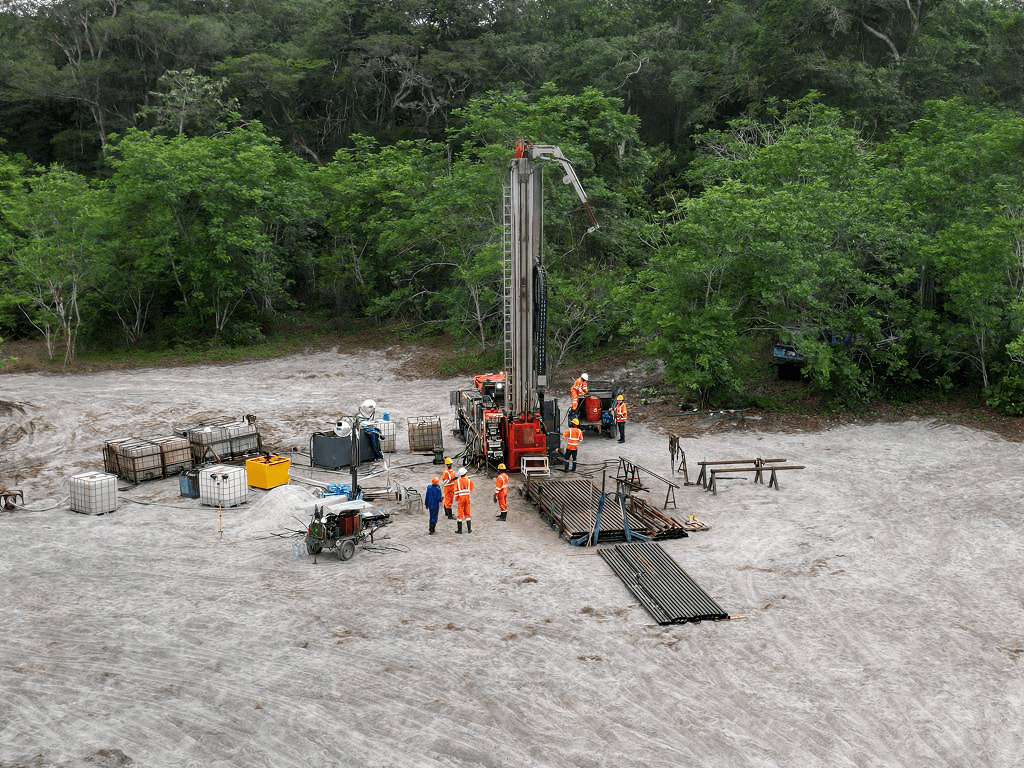
Overview
Strategic Location in West Africa
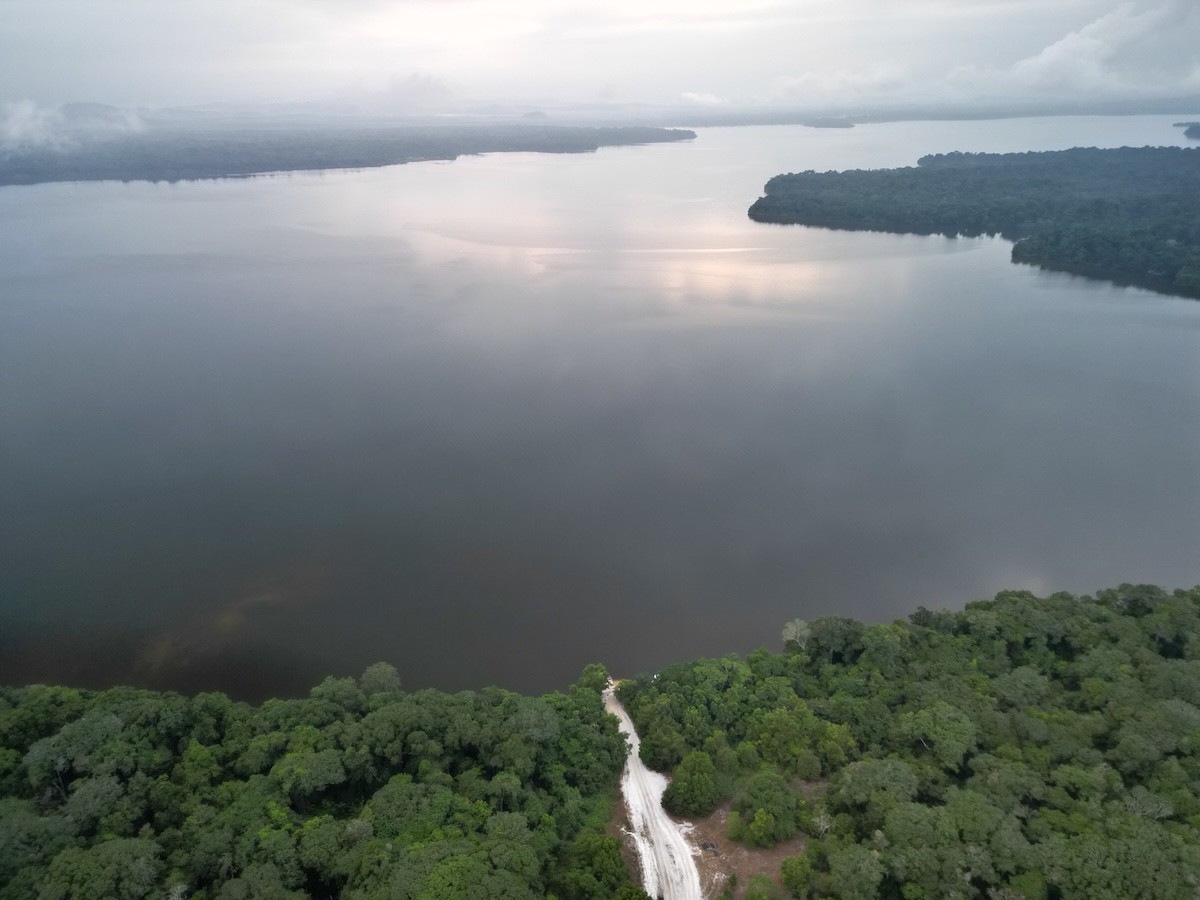
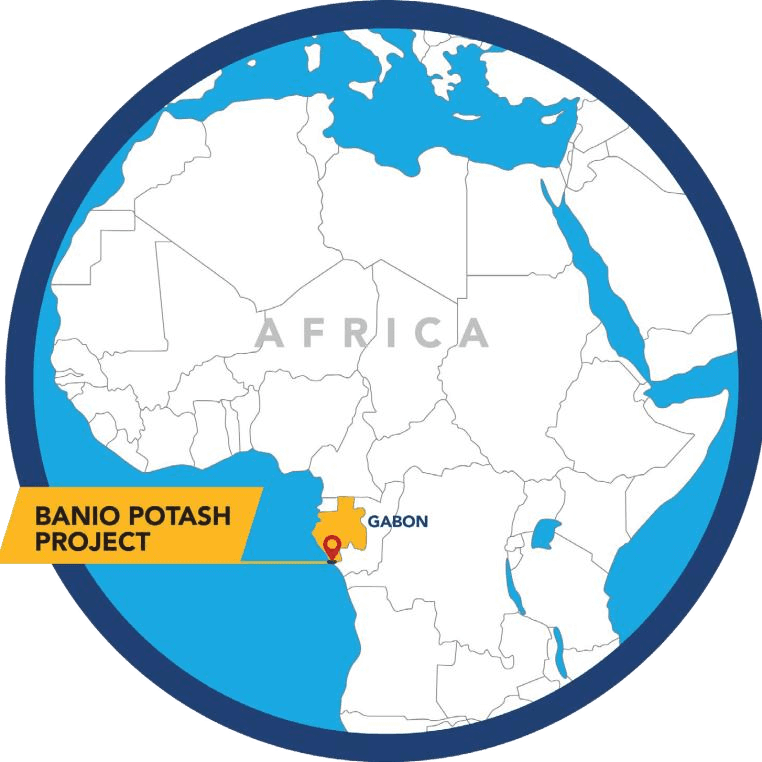
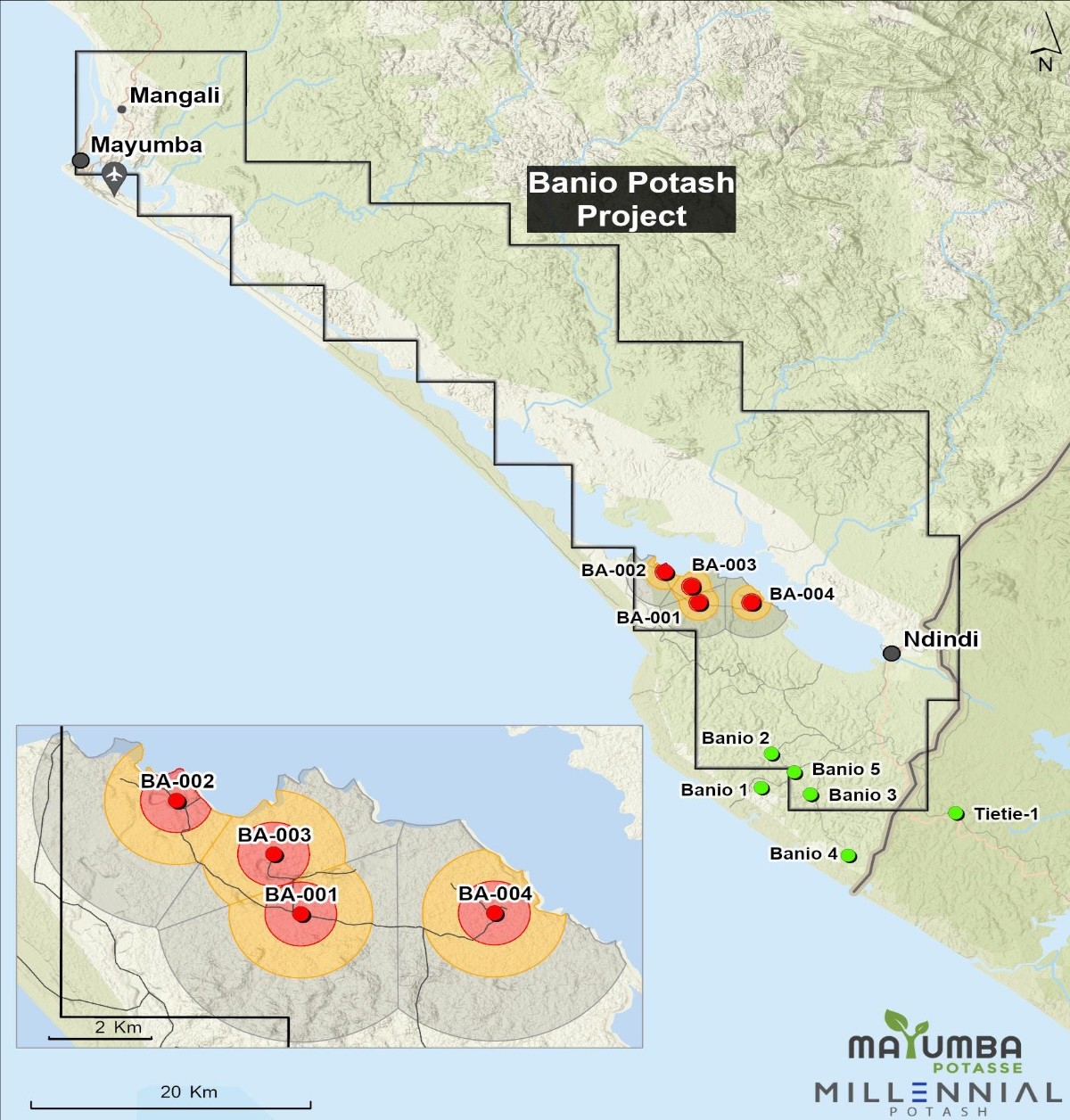
The Banio Project sits within Gabon’s coastal potash basin, known for thick evaporite layers similar to major global deposits. Just 60 km from the Atlantic Ocean, Banio is near the deep-water port at Mayumba, enabling cost-efficient exports to key agricultural markets, including Brazil.
Stable political environment, low sovereign risk, and transparent mining regulations
Supportive government and strong relationships with the Ministry of Mines and the President
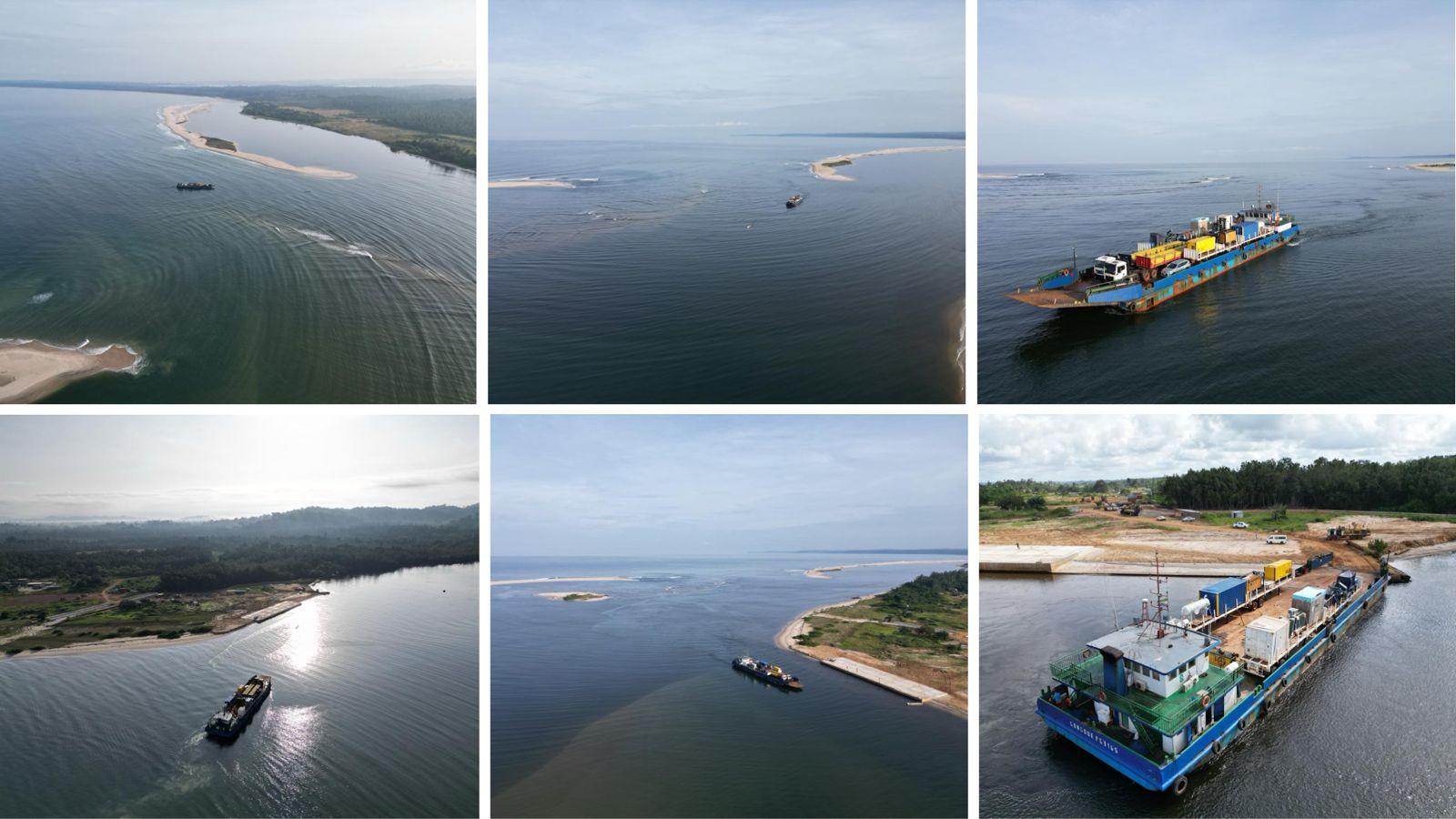
Modern logistics including roads, port development, and expanding power infrastructure
Potash Mineralization
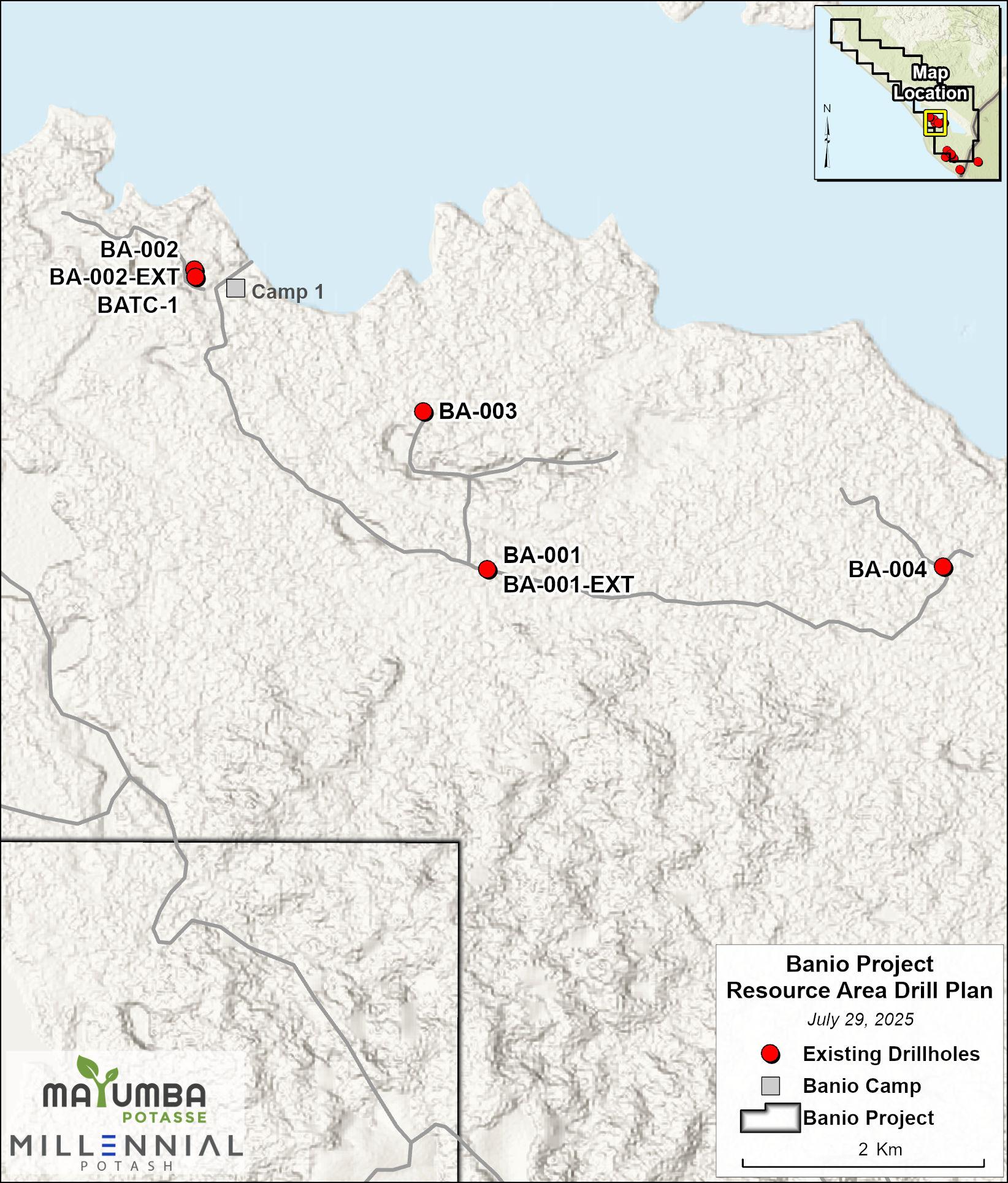
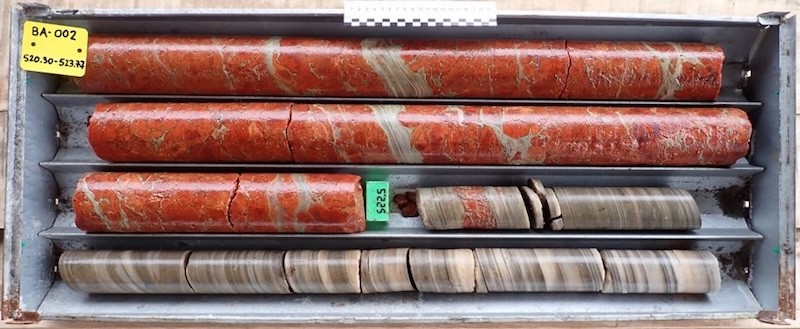
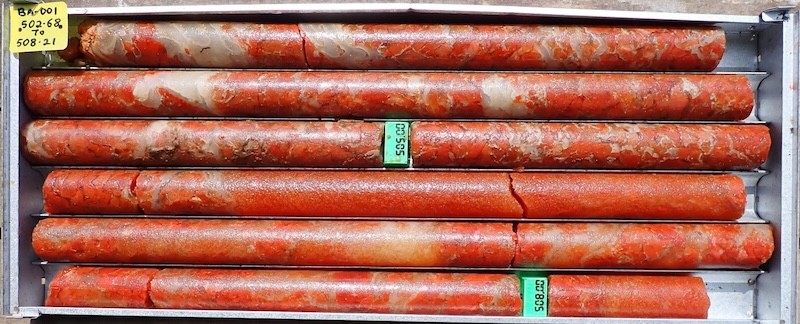
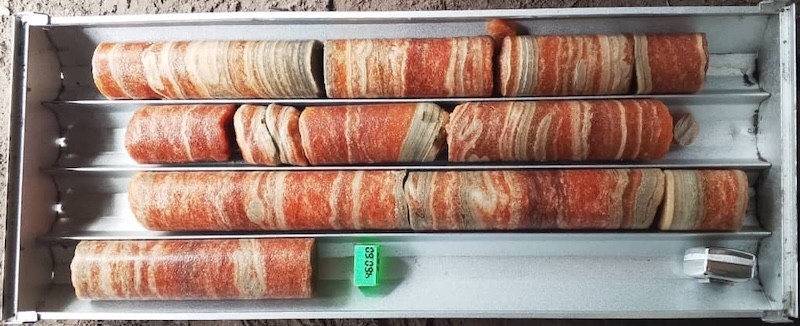
The Banio North drill program successfully advanced our understanding of the potash mineralization, confirming substantial thickness and high-grade zones across multiple targets with the extension of BA-001, BA-002 and new hole BA-004.
Phase 1 Drilling Highlights
Drillhole BA-002 extended to 552.5 m.
Intersected Cycle IV evaporite sequence: 4.17 m of bright red, nodular carnallitite grading 17% KCl.
Intersected Cycle III evaporite sequence: 4.8 m of red carnallitite grading 18.7% KCl.
Cumulative potash thickness: >70 m, supporting potential for large cavern solution mining.
Phase 2 Drilling Highlights
The potash layers are averaging 70 metres and occur at depths between 230 and 520 metres. Importantly, this estimate covers only the northern portion of the basin, the South Target remains largely untested, offering significant potential for further growth.
A Proven Solution Mining Method
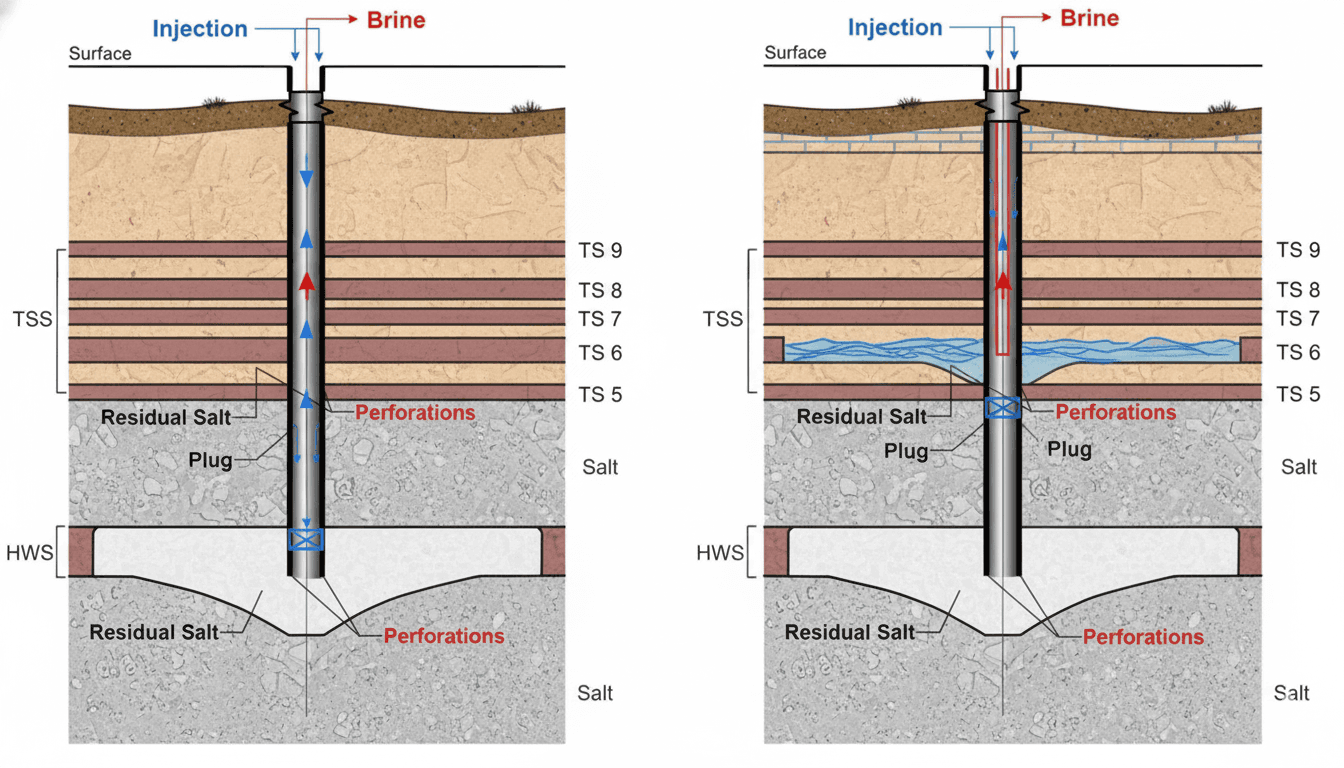
Several potash‐bearing layers can be exploited using single well injection/extraction. Solution mining typically has lower CAPEX than conventional U/G mining and can be carried out in stages with a modular approach
A Growing and High-Quality Resource
Updated NI 43-101 compliant Mineral Resource Estimate completed Q4 2025 based on 4 potash specific drillholes covering a small part of the North Target. Resources include carnallitite and sylvinite at North Target only, South Target not included.
+275% Increase in Measured and Indicated Resource
Measured Carnallitite Mineral Resources of approximately 648 million tonnes grading 15.7% KCl
Indicated Carnallitite Mineral Resources of approximately 1.769 billion tonnes grading 15.4% KCl
Indicated Sylvinite Mineral Resources of 35 million tonnes grading 24.3% KCl
+210% Increase in Inferred Resource
Inferred Carnallitite Mineral Resources of 3.463 billion tonnes grading 15.4% KCl
Inferred Sylvinite Mineral Resources of 96.2 million tonnes grading 24.2% KCl
The potash layers are impressively thick, locally in excess of 100m, and occur at depths between 230 and 520 metres. Importantly, this estimate covers only the northern portion of the basin, the South Target remains largely untested, offering significant potential for further growth.

Strong Economics and a Clear Path Forward
A Preliminary Economic Assessment (PEA) prepared by Micon International Limited and Agapito Associates Inc. confirms Banio’s economic strength and scalability.
The PEA envisions a solution-mining operation feeding a processing plant at Mayumba through a 60 km pipeline. Production would reach 800,000 tonnes per year of high-quality K60 granular MOP, using mechanical evaporation and crystallization technology. The nearby deep-water port will provide an efficient export route to international markets, minimizing transport costs and capitalizing on Gabon’s advantageous coastal position.
Infrastructure to Support Efficient Potash Development
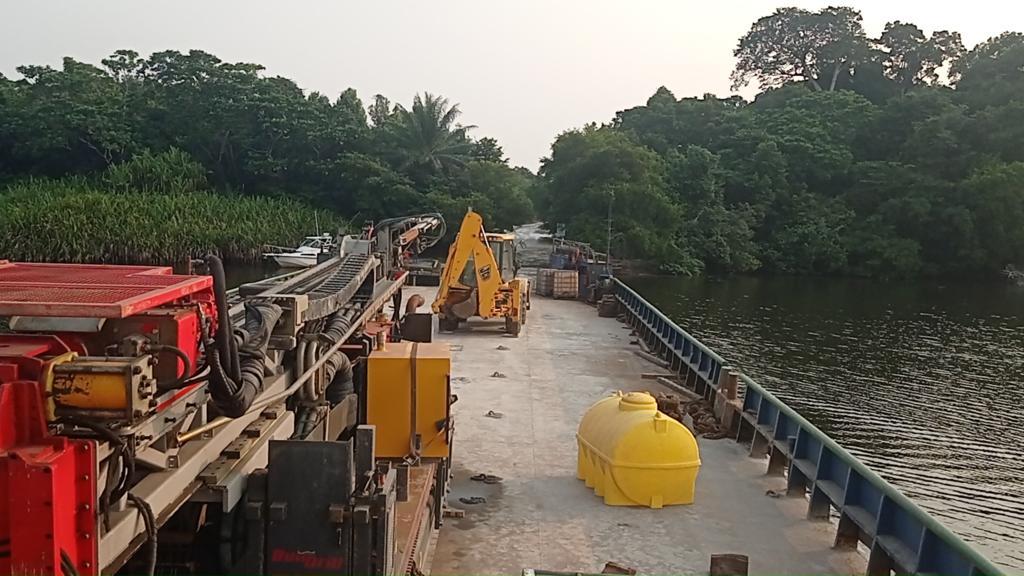
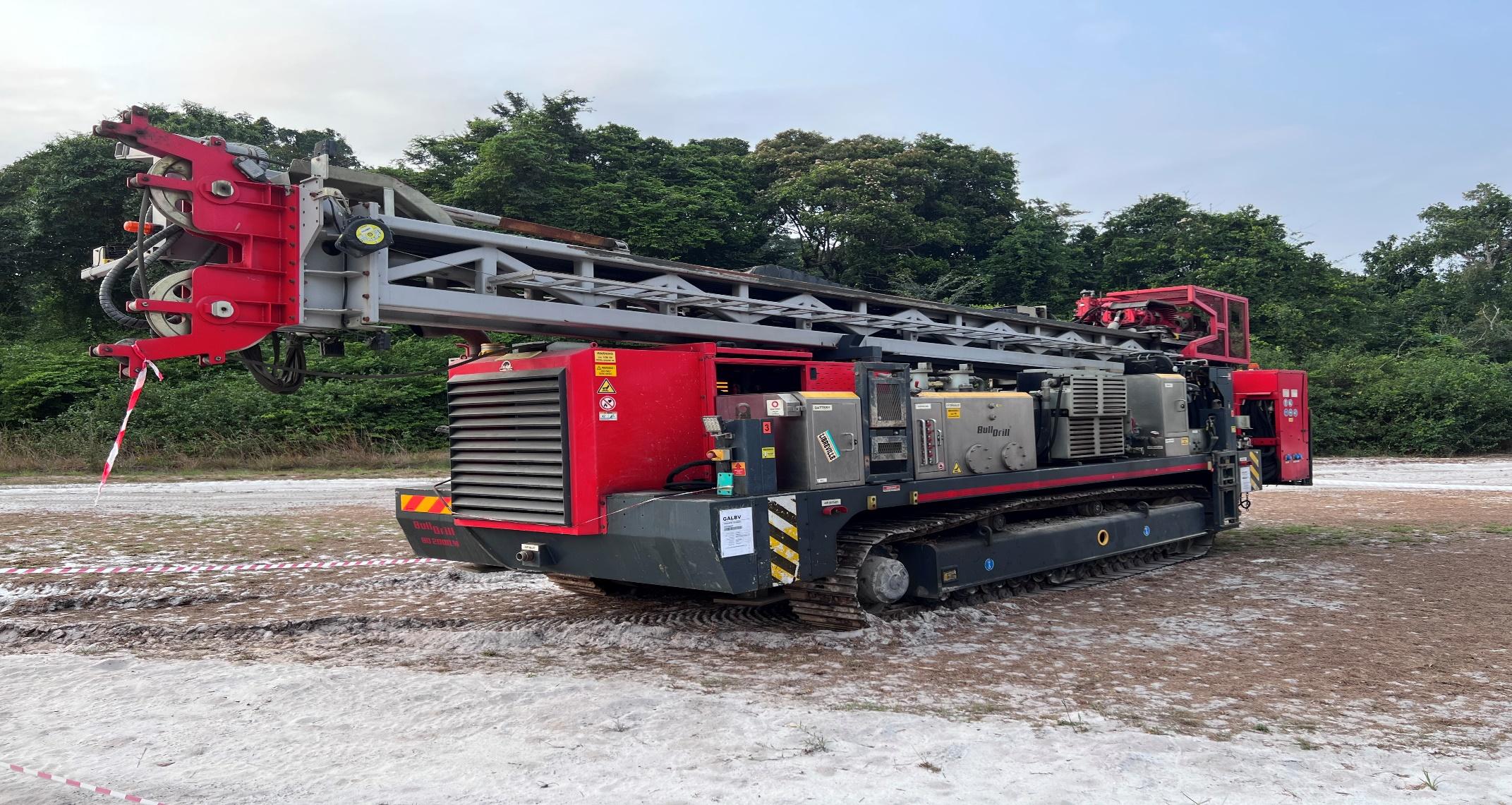
The Banio Project benefits from fully operational local infrastructure, including a modern exploration camp, on-site drilling equipment, and core storage facilities. Strategic port and power developments provide reliable logistics and energy, supporting efficient potash production and long-term project growth.
Progress and Next Steps
A staged development plan guiding Banio from initial drilling and resource estimates to feasibility, processing, and permitting.
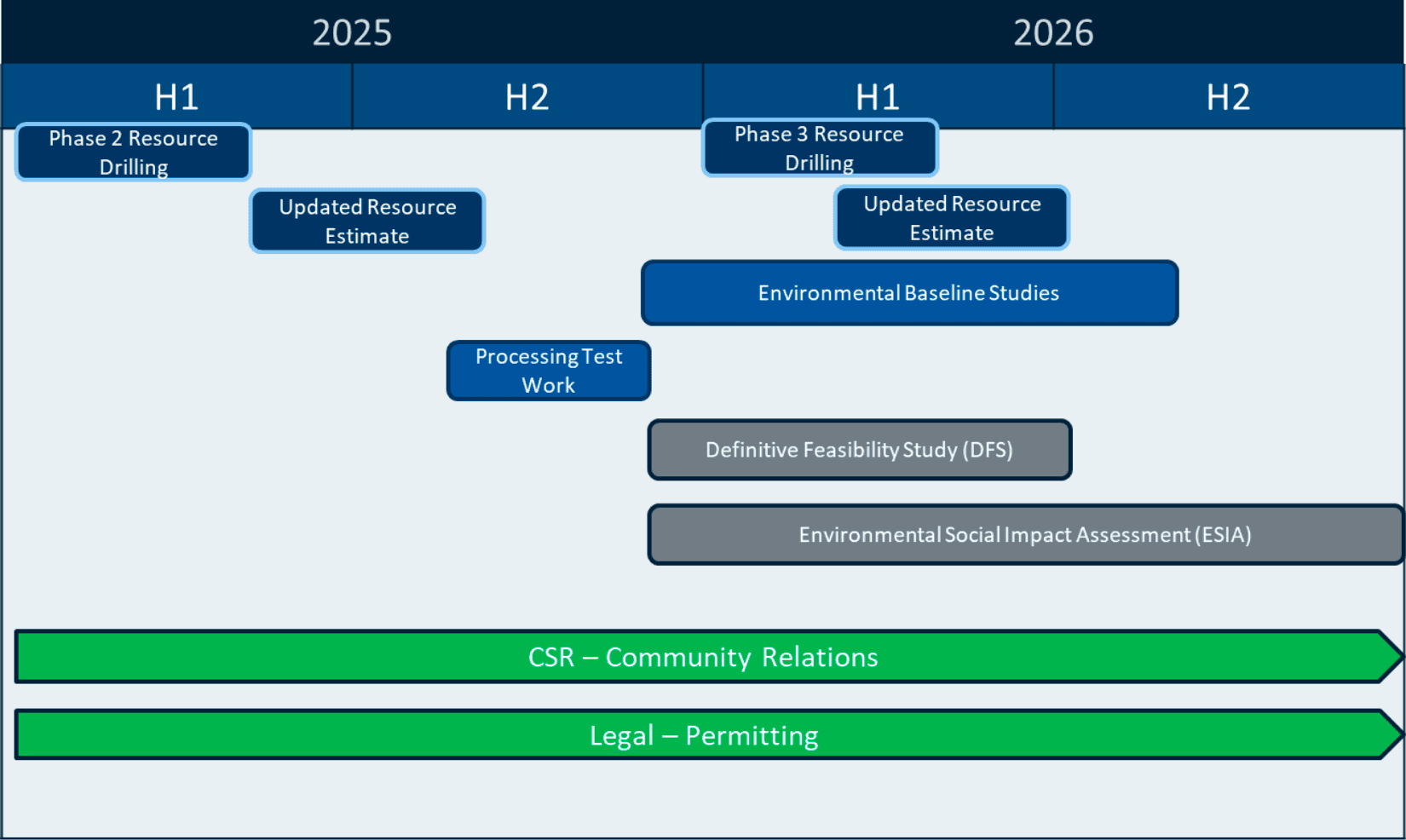
Phase 1 & 2 Drilling Completed
Drilling has been completed in Q4 2025 with completed Mineral Resource Estimate (MRE) Update.
DFS & ESIA Studies
Feasibility Study and ESIA initiated end of Q4 2025
Phase 3 Drilling
Followed by another MRE, marketing studies and permitting.
Completion of a Positive Feasibility Study and ESIA
To be followed by staged engineering and additional technical studies.
Substantial Upside for Resource Expansion
Approximately 95% of the license remain unexplored
Significant Resource Outlined on Only 5% of the License
M+I = 2.45B Tonnes @ 15.6% KCl
Inferred = 3.56B Tonnes @ 15.6% KCl
Led by a Team of Proven Builders
Millennial Potash is guided by a team with a track record of creating and realizing value in resource development. The Board and Management are led by Farhad Abasov, Peter MacLean, and Jason Wilkinson.

Legacy of Successful Resource Ventures
The team has built and successfully exited multiple resource companies including Millennial Lithium, Allana Potash, Potash One, Energy Metals.
Extensive Experience in Global Potash Development
Highly experienced in potash; developed and exited two large potash projects in Africa and North America.
Global Potash Demand, and Why It Matters Now
As global fertilizer markets evolve, potash has become increasingly strategic. Supply disruptions from traditional producers in Russia and Belarus have intensified the need for new, secure sources.
With rising agricultural demand and tightening supply, Banio’s combination of scale, location, and low-cost design positions it as a critical future contributor to global food security.
Core Agricultural Nutrient
Potash supplies potassium, an essential macronutrient that supports plant growth and boosts crop yields.
Pillar of Global Food Security
As a mined fertilizer input, potash is indispensable for sustaining global agriculture and soil fertility.
Enhances Plant Resilience
It strengthens roots, improves water retention, and increases resistance to drought, disease, and pests.
Strategically Vulnerable Resource
With production concentrated in a few nations, potash supply is exposed to geopolitical and logistical risks.